
· By Tim Minnick
Spring Festivals from Around the World: Fun Activities for Families
Spring Festivals from Around the World: Fun Activities for Families
Spring is a season of fresh starts — and across the world, families celebrate renewal, gratitude, and hope in beautifully different ways. Exploring spring festivals for kids is one of my favorite ways to weave global learning for kids into our homeschool rhythm without it feeling like “extra work.”
This year, I’ll be sharing many of these celebrations with my own boys through simple crafts, food, and stories — the kinds of activities that spark curiosity and meaningful conversations.
Below are a few global celebrations that work especially well for families and classrooms looking for hands-on, memorable learning.
Lunar New Year (East & Southeast Asia): Fresh Starts & Family Traditions
Lunar New Year typically falls between late January and February, and while it doesn’t always land in spring by the calendar, it’s deeply connected to themes of renewal, luck, and new beginnings — making it a natural fit for seasonal learning.
Celebrated across countries like China, Vietnam, and Korea, Lunar New Year is centered around family gatherings, symbolic foods, and traditions meant to welcome good fortune.
Try this at home:
-
Make red-and-gold paper decorations symbolizing luck and happiness
-
Cook dumplings or noodles and talk about food symbolism
-
Explore how lunar calendars differ from solar calendars
This is a wonderful entry point for geography studies and early discussions about how time, seasons, and traditions vary around the world.
Songkran (Thailand): Welcoming the New Year with Water
Songkran takes place every April and marks Thailand’s traditional New Year. Water is central to the celebration, symbolizing cleansing, renewal, and respect for elders.
Try this at home:
-
Create a gentle outdoor water-play ritual to represent a fresh start
-
Prepare a simple Thai-inspired snack using coconut or mango
-
Talk about how climate and seasons influence celebrations
Songkran beautifully connects geography curriculum for homeschool with real-world climate, culture, and values.
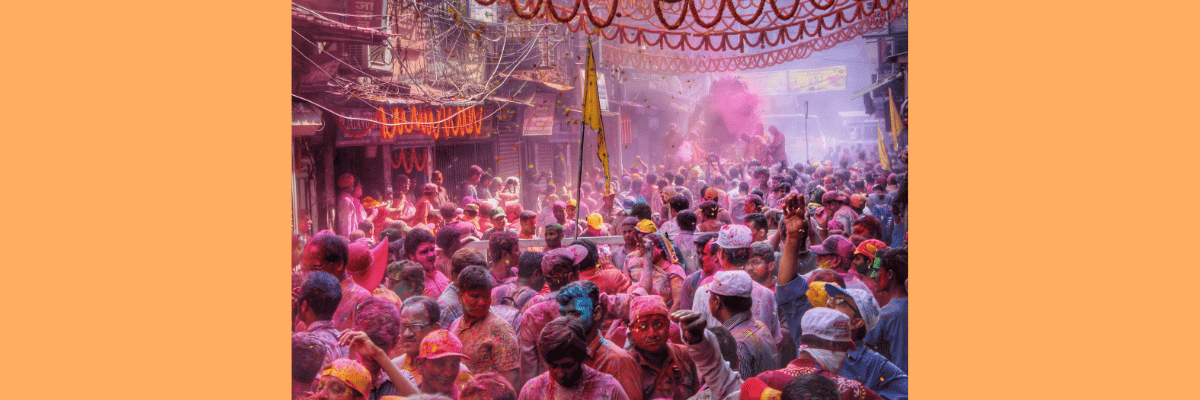
Holi (India): Color, Light & Seasonal Change
Holi follows the Hindu lunar calendar and can fall in late winter or early spring depending on the year — a great reminder that not all holidays follow fixed dates.
Holi celebrates love, joy, and the triumph of good over evil and is known for its vibrant use of color.
Try this at home:
-
Color-mixing art with chalk pastels or watercolor
-
Make a simple flatbread or sweet treat
-
Discuss why some festivals shift dates each year
Holi is a joyful way to introduce cultural education for children while reinforcing observation and critical thinking.
Why Festivals Are Powerful Tools for Global Learning
Seasonal celebrations naturally combine:
-
History and geography
-
Food and art
-
Family life and values
They work beautifully for global studies, mixed-age learning, and relaxed homeschool routines — especially when paired with hands-on geography lessons for homeschool like crafts, recipes, and stories.
A Note from Me
I love using festivals as doorways into global culture because they’re joyful, meaningful, and deeply human. Kids don’t just learn about the world — they feel connected to it.
I can’t wait to explore these celebrations with my own boys this season, and I hope your family finds just as much fun and connection along the way. Here’s to raising curious, open-hearted little global citizens — one celebration at a time. 💛
— Akeelah